
A natural and a laboratory-grown diamond may look identical at first glance. When choosing, however, origin, the documented characteristics of the individual stone, your budget and expectations matter. This guide separates verifiable information from general environmental and investment claims.
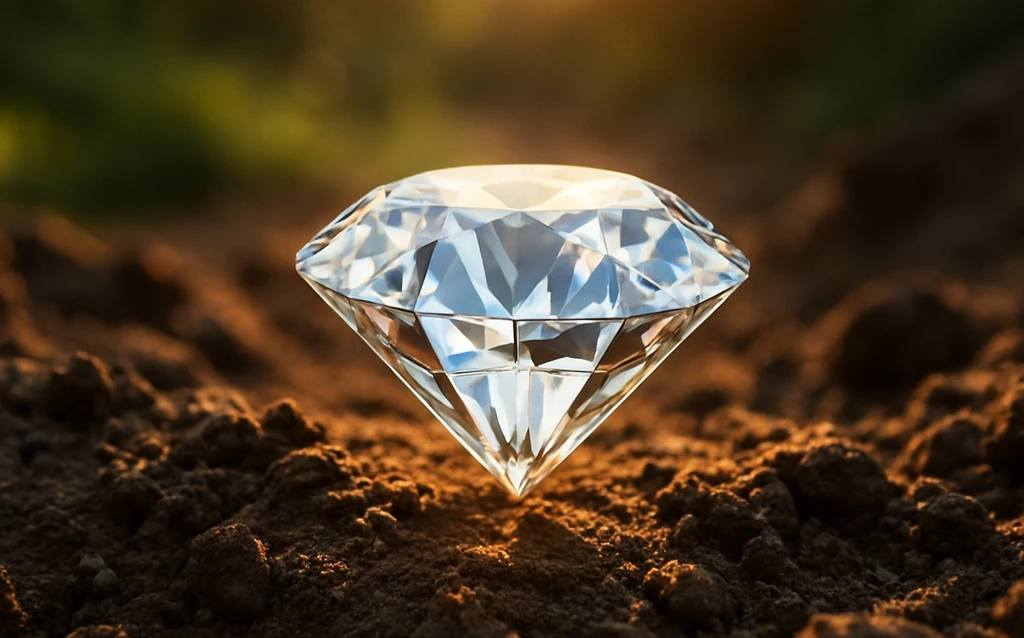
Natural and lab-grown diamonds: the main difference is origin
A natural diamond forms in nature; a lab-grown diamond is produced in a controlled environment, most commonly by HPHT or CVD. Both have essentially the same chemical composition, crystal structure, and physical and optical properties. A lab-grown diamond is not the same as cubic zirconia or moissanite — those are different materials.
A diamond's origin cannot reliably be determined by sight alone. Gemmological laboratories use specialised instruments and testing. A similar appearance alone does not confirm the origin or equal quality of two stones.
Zdroj: GIA: the difference between natural and laboratory-grown diamonds
How to compare quality and gemmological reports
An independent gemmological report documents the stone's identity and assessed characteristics. Check whether it identifies natural or laboratory-grown origin, the specific diamond's parameters and any treatments. A report is neither a jewellery valuation nor a guarantee of its future resale price.
Matching carat weight alone is not enough when comparing stones. Consider appearance, proportions, cut, colour and clarity as well. Different laboratories and report types may use different grading scales. Always rely on the specific report, not simply an abbreviation in an advertisement.
Zdroj: GIA: the importance of a gemmological report
Stone treatments and care
Some diamonds undergo colour or clarity treatments. Treatments can affect a stone's value and sometimes its care requirements. Before purchasing, ask whether the stone has been treated and what this means for wearing and servicing it.
Zdroj: FTC: information about gemstone treatments
Environmental footprint: conditions matter, not just the label
The label 'natural' or 'lab-grown' alone is not enough to assess an environmental footprint. Mining impacts vary by location and extraction methods. For laboratory production, factors include the technology, efficiency and electricity source. No single general figure can therefore represent all diamonds of a given origin.
Zdroj: Research study in Energies: energy and water consumption in diamond production
For environmental claims, look for specific data, its source, date and an explanation of the calculation. Comparisons are meaningful only when the scope of the assessed impacts is the same. General terms such as 'eco-friendly' or 'sustainable', without evidence, are not enough for an informed decision.
Zdroj: FTC: environmental claims in diamond sales
Price, resale and future expectations
The purchase price of jewellery should not be confused with what a buyer may offer for it later. Resale value depends on stone quality, availability, demand and how it is sold. A dealer's purchase offer may be considerably lower than the retail price.
A diamond's value can rise or fall over time. A professional valuation does not guarantee an achievable resale price, and natural origin alone does not make a diamond a safe investment. Nor can retention of value generally be promised for lab-grown diamonds. Decide on the basis of the specific offer and your own priorities, rather than predictions of guaranteed growth.
Zdroj: GIA: reselling gemstones and jewellery
Zdroj: GIA: the difference between a gemological report and a valuation
How to decide when choosing a ring
- Clarify your budget and your preference for natural or lab-grown origin.
- Compare individual stones, their appearance and documented characteristics.
- Check the origin, any treatments and the contents of the gemological report.
- Ask about the jewellery's construction, wearing comfort and aftercare.
- Do not rely on general environmental or investment promises without evidence.
At DeLoire, we will explore the available stone settings for your chosen design and explain the differences between options. For an initial overview, use diamond guide nebo si arrange a visit to Kozí in Brno.